


Neck pain is one of the most common complaints in Pune—and in many cases it’s linked to cervical spondylosis, a condition caused by age-related (and posture-related) wear and tear in the neck’s spine. If you’ve been searching for “neck pain and cervical spondylosis treatment,” you’re likely dealing with stiffness, aches that worsen with work or driving, or pain that may even travel toward the shoulders and arms.
This guide explains what cervical spondylosis is, how doctors and physiotherapists assess it, what treatments typically help, and what you can do day-to-day to support healing—especially if you’re trying to recover without unnecessary procedures.
---
What Is Cervical Spondylosis?
Cervical spondylosis refers to degenerative changes in the cervical spine (the neck region). Over time, the discs lose hydration, joints become less mobile, and bone spurs (osteophytes) may develop. These changes can contribute to:
- Neck stiffness and reduced range of motion
- Pain or aching in the neck and upper back
- Muscle tightness around the shoulder blades
- Nerve irritation, which may cause tingling, numbness, or pain radiating to the arm
Importantly, not every neck pain case is cervical spondylosis—but it’s a frequent cause, particularly when symptoms last weeks or months.
---
Common Symptoms: How It Shows Up in Real Life
People often describe cervical spondylosis symptoms like this:
- Pain that feels worse after long hours at a desk
- Discomfort when turning the head or looking up/down
- Morning stiffness that gradually improves
- Headaches originating from the neck area
- Pinching, burning, or electric-like pain that travels to the shoulder/arm
- Weak grip or changes in sensation (in more involved cases)
If you have pain plus arm tingling/numbness, the issue may involve nerve structures, not just muscle tightness.
---
Why Neck Pain Happens: The Real Drivers
Cervical spondylosis is not only “aging.” Daily habits can accelerate irritation and symptoms:
1) Posture and device use
Forward-head posture (common with smartphones and laptops) increases stress on the cervical joints and discs.
2) Prolonged static positions
Sustained sitting with minimal movement reduces nutrient exchange in discs and increases stiffness.
3) Weak neck and upper back support
If the deep neck flexors and scapular stabilizers are weak, the neck has to compensate—leading to pain.
4) Reduced mobility
When you move less, stiffness builds and joints become less tolerant to normal motion.
5) Stress and muscle guarding
Pain often causes muscle “bracing,” which creates a cycle of stiffness → pain → more guarding.
---
When to Seek Medical Attention Quickly (Red Flags)
Most neck pain is manageable with conservative care, but it’s important to watch for warning signs such as:
- New or worsening arm weakness
- Severe numbness or loss of sensation
- Problems with walking, balance, or coordination
- Loss of bladder/bowel control (urgent)
- Fever, unexplained weight loss, or night pain not related to movement
- Significant trauma (fall/accident)
If any of these apply, consult a clinician promptly.
---
How Treatment Is Planned: Assessment First
Effective cervical spondylosis treatment starts with understanding why your symptoms are happening. A good assessment commonly includes:
- History of symptoms (what triggers pain, what eases it)
- Range of motion in the neck
- Posture analysis (head/shoulder positioning)
- Neurological checks (sensation, reflexes, strength)
- Provocative tests to see whether nerves or joints are involved
- Review of imaging reports if you’ve already had an X-ray/MRI
This matters because the “right” exercises for purely muscular stiffness may differ from exercises needed when nerve irritation is present.
---
Non-Surgical Treatment Options That Typically Help
Most people improve with conservative, physiotherapy-based care. Treatment goals are usually:
- Reduce pain and inflammation/irritation
- Restore neck and upper-back mobility
- Improve strength and stability
- Normalize movement patterns
- Prevent flare-ups
Here are common modalities and approaches used in neck pain and cervical spondylosis rehab:
1) Therapeutic exercises (core of recovery)
Exercises are selected based on your symptoms, but often include:
- Neck mobility drills (gentle, controlled range work)
- Deep neck flexor activation (posture endurance)
- Scapular stabilization (shoulder blade control)
- Thoracic mobility work (upper back stiffness often worsens neck pain)
- Nerve-friendly strengthening if nerve involvement is suspected
A key point: the goal isn’t just to “stretch.” It’s to retrain how your neck and shoulder complex move under load.
2) Manual therapy and mobilization
In many cases, clinicians use joint mobilization and soft-tissue techniques to improve tolerance to movement—especially when stiffness limits your daily activities.
3) Posture and ergonomics coaching
This is crucial for office workers and commuters. Small changes can reduce recurring stress:
- Screen at eye level
- Chair height that supports neutral hips/knees
- Breaks every 30–45 minutes
- Avoiding prolonged “head-forward” phone posture
4) Pain modulation techniques
Depending on your case, physiotherapists may use methods for symptom relief (e.g., heat/cold, gentle traction techniques, or other modalities). These are usually supportive—not the only solution.
5) Graded activity and return-to-function planning
Neck pain can lead to avoidance, which increases stiffness and sensitivity. Progressive, guided activity helps restore confidence and function.
---
What About Traction and “Forceful Manipulation”?
You may hear mixed opinions online. Generally:
- Gentle, therapist-guided traction may help some people with nerve irritation or certain mobility limitations.
- Forceful manipulation without appropriate assessment can be risky if there are red flags or instability concerns.
If your pain includes significant neurological symptoms, insist on a careful evaluation before traction/manipulation.
---
How Long Does Cervical Spondylosis Treatment Take?
Timelines vary based on severity, duration, and nerve involvement. A typical conservative recovery may look like:
- 1–2 weeks: pain can decrease; stiffness becomes more manageable (if rehab is consistent)
- 3–6 weeks: improved movement and strength endurance
- 6–12 weeks: better posture tolerance and fewer flare-ups
Some chronic cases take longer, especially when work habits keep stressing the area. The good news: a plan that includes exercise + ergonomics tends to yield the most stable results over time.
---
Daily Habits That Support Healing (Simple but Powerful)
Try these habits for neck-friendly recovery:
- Micro-breaks: stand up and move 1–2 minutes every 30–45 minutes
- Chin-tuck posture (gentle) rather than aggressive stretching
- Heat before mobility if you’re stiff in the morning
- Sleep positioning: use a pillow that keeps the neck neutral (not too high or too flat)
- Avoid “pain-through” stretches that cause tingling or sharp radiating pain
If an exercise increases arm symptoms (tingling/numbness), it should be modified or stopped and discussed with your clinician.
---
A Local Reality in Pune: Why People Seek Neck Rehab
In Pune, many people experience neck pain due to a combination of desk work, commuting, and prolonged smartphone use. When symptoms keep returning, it’s often because the root issue—postural endurance, mobility limits, and strength deficits—hasn’t been fully addressed.
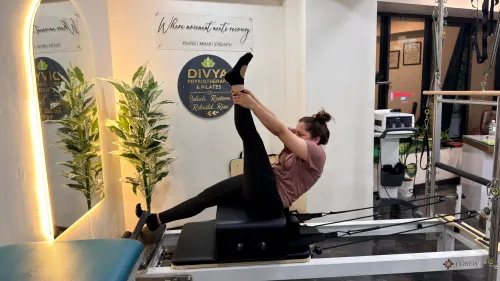
Clinics in Pune, including physiotherapy centers such as Divya Physiotherapy Clinic, often focus on structured rehabilitation for neck pain and cervical spondylosis, combining exercise therapy with practical lifestyle guidance. (The exact approach varies by diagnosis and symptom pattern.)
---
Key Takeaways
- Cervical spondylosis is common and often managed successfully without surgery.
- Recovery depends on assessment, not just generic stretching.
- The best long-term outcomes usually come from exercise + posture/ergonomics + graded return to activity.
- Seek prompt evaluation if you have red-flag symptoms like weakness, severe numbness, or balance issues.
---
If you’d like, share your symptoms (where the pain is, whether it radiates to the arm, what worsens it—desk work, driving, sleep, etc.). I can suggest a more tailored “what to expect” roadmap for cervical spondylosis treatment and self-care steps you can discuss with your physiotherapist.